20 points fidélité offerts
0,00 €
Découvrir
Le guide du thé de Thés de la Pagode
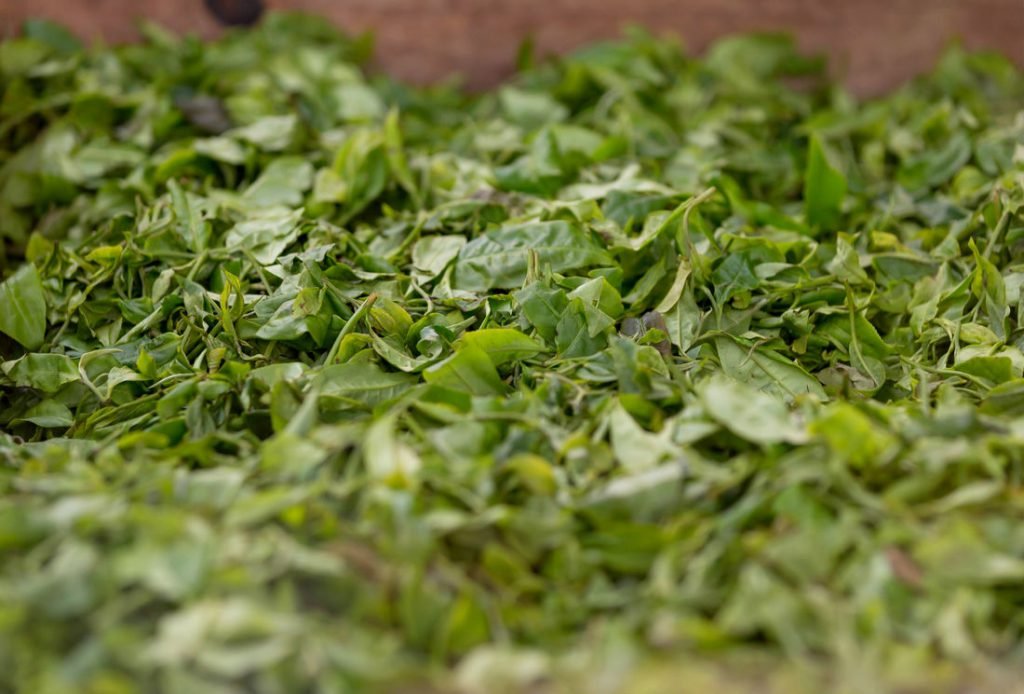
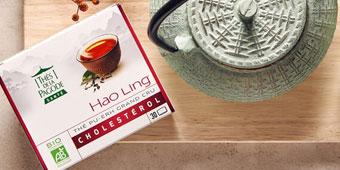
Here are the results of a study concerning the hepatoprotective and antioxidant effects of Hao Ling tea.
Recent studies suggested that oxidative stress could trigger lipid accumulation in liver and thus subsequent development of hepatic steatosis which contributes to alter blood lipid level leading to increase cardiovascular risk factors. Tea has been described to prevent liver disorders and decrease cardiovascular risk.
However, whether tea decreases oxidative stress and thus prevents hepatic steatosis has never been investigated. Therefore we aimed to investigate the effects of tea on oxidative stress and lipid accumulation in a rat model of high fatsucrose diet (HFS) induced metabolic syndrome (fed during 14 weeks) and in isolated rat hepatocytes.
Wistar rats were randomly divided into three groups: Ctrl, HFS and HFS+Tea rats which had free access to tea infusion drink instead of water (n=15). Lipid profile of the liver, lipogenesis gene expression and oxidative stress were measured in each group of rat.
Isolated hepatocytes were treated with the ROS inducer t-BHP in the presence or not of antioxidant tempol or tea. Then, superoxide anion production and lipid accumulation were measured using specific fluorescent probes. We reported that HFS diet-induced elevated hepatic lipid content by enhancing lipogenic gene expression in HFS rats compared to Ctrl ones. HFS diet-induced hepatic steatosis was attenuated by tea which was mainly associated with decrease hepatic oxidative stress and increased plasma total antioxidant capacity.
The key role of antioxidant properties of tea in such phenomenon was confirmed in primary culture of rat hepatocytes. Indeed, we reported that increased ROS production with t-BHP resulted in lipid accumulation in hepatocytes, which was normalized by both tempol and tea.
To conclude, we clearly reported that the antioxidant properties of tea protect rats from HFS diet-induced hepatic steatosis via its anti-lipogenesis effects. The consequence of such nutritional strategy on cardiovascular risk factor would constitute the next step of this work.
Laura Braud * (1), Sylvain Battault (2), Grégory Meyer (2), Alessandro Nascimento (2), Sandrine Gaillard (1), Georges De Sousa (3), Roger Rahmani (3), Catherine Riva (2), Martine Armand (4), Cyril Reboul (2), Jean-Michel Maixent (1)
(1) Université de Toulon, La Garde, France – (2) Université d’Avignon, Avignon, France – (3) INRA, Sophia-Antipolis, France – (4) Université d’Aix-Marseille, CNRS, Marseille, France
Source : Braud, Laura; Peyre, Ludovic; De Sousa, Georges; Armand, Martine; Rahmani, Roger; Maixent, Jean-Michel. 2015. « Effect of Brewing Duration on the Antioxidant and Hepatoprotective Abilities of Tea Phenolic and Alkaloid Compounds in a t-BHP Oxidative Stress-Induced Rat Hepatocyte Model. » Molecules 20, no. 8: 14985-15002.
Les produits associés à cet article :
Lire aussi sur le même thème
10 min de lecture
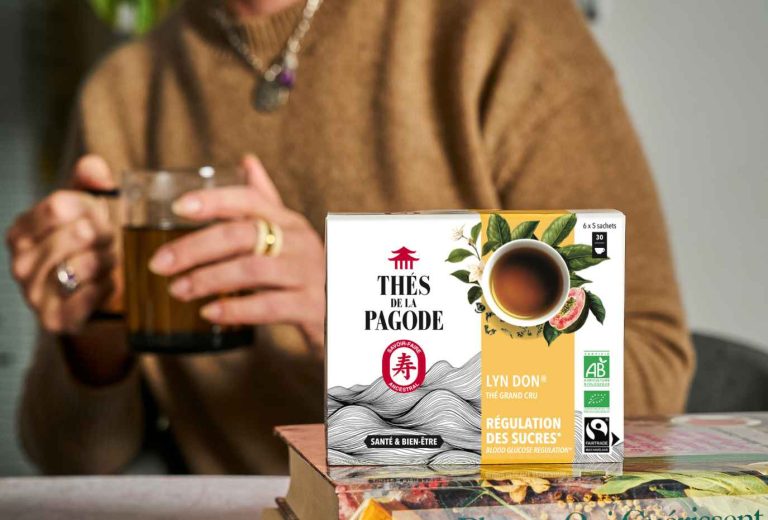
S’affranchir durablement du sucre, c’est retrouver la saveur naturelle des aliments et renouer avec des repas équilibrés, sans privation excessive. Suivez ...
Lire l'article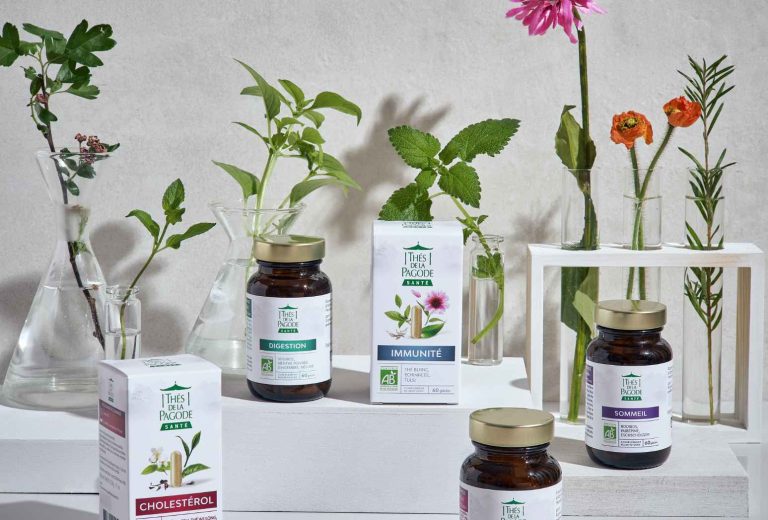
2 min de lecture
Depuis leur création, nous nous sommes fixé pour mission de faire en sorte que cette petite feuille de thé, en apparence si simple, révèle ses vertus ...
Lire l'article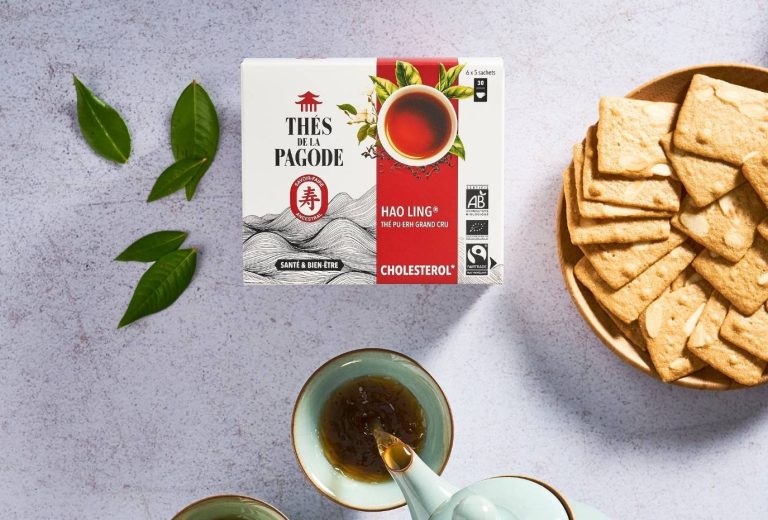
8 min de lecture
Privilégier un petit-déjeuner riche en fibres avec des aliments bruts, limiter les graisses saturées et composer un repas rassasiant pour bien commencer la ...
Lire l'article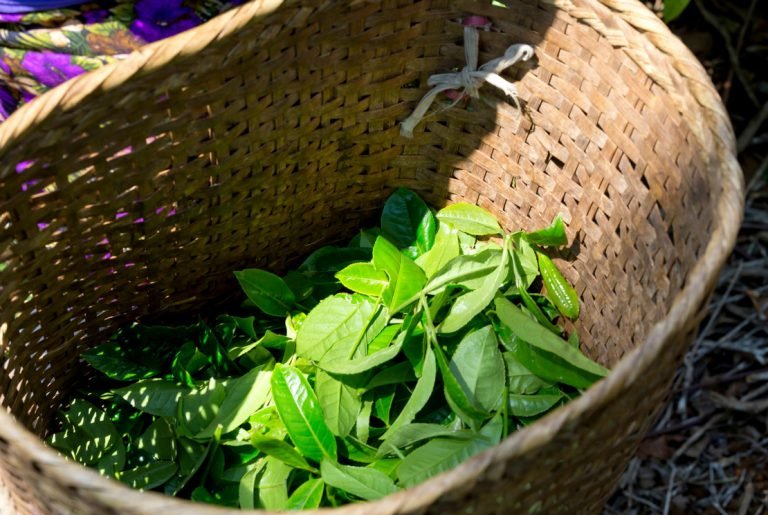
4 min de lecture
Voici les résultats d'une étude d'évaluation des effets hypolipidémiants du thé Pu-erh qui constitue 60% de notre thé Hao Ling qui aide à réguler le ...
Lire l'article